Full skin check
A head-to-toe examination of your skin, using a dermatoscope to look closely at spots. We explain what we see and what, if anything, to watch or follow up.
GP-led skin clinic
Saltbush Skin is a clinic of GPs who work primarily in skin. We do full skin checks, mole mapping and consultations for acne, pigmentation and other skin concerns. You will know what is being examined, why, and what happens next.
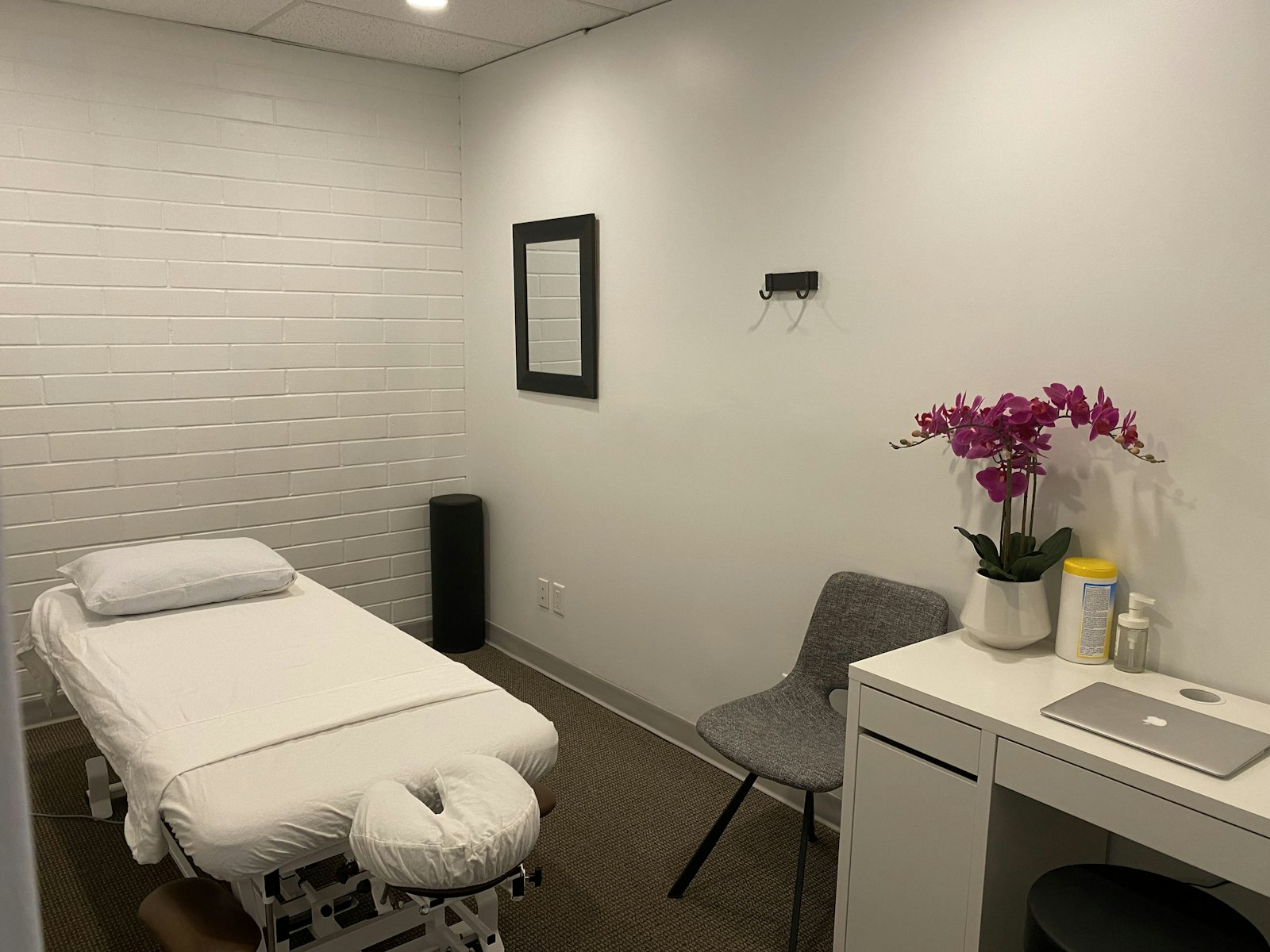
Surry Hills, five minutes from Central. Gowns provided. Private room for every check.
Choose what sounds closest to you. You will see what to expect and which appointment to book.
What this becomes
A 20 to 30 minute full skin check, from $165, with one of our GPs. Wear underwear you are comfortable in, and tell us if you would prefer a chaperone.
Prepare for your visitChecks and consultations, explained as we go.
A head-to-toe examination of your skin, using a dermatoscope to look closely at spots. We explain what we see and what, if anything, to watch or follow up.
A focused appointment about one or two spots you have noticed. Your GP examines them carefully and explains the next step.
Photographs of your skin, taken so changes can be compared at later visits. Useful if you have many moles or want a record to refer back to.
A comparison with your earlier photographs and a close look at any spot that appears different.
A conversation about your skin, what you have tried and what suits your life. Your GP explains the options and what to expect from each.
A careful look at patches or darkening, with an explanation of what may be causing them and what the choices are.
Skin checks can feel exposing. We keep them professional, private and clearly explained, and we are straightforward about what we can and cannot tell from an examination.
We explain each area before we look, you choose what to remove, and you can pause or stop at any time.
After the check you get a clear explanation of what we saw, what is usual for you, and anything that needs follow-up or further tests.
Skin concerns vary from person to person. We describe the options and what is involved, not what the outcome will be.
Our doctors are GPs who work primarily in skin.
GP
Hannah mostly sees skin checks and mole mapping. She talks through what she is looking at as she goes, because most people find it reassuring to know.
GP
Arjun sees people with acne and pigmentation questions, and teenagers who would like a straight conversation about their skin. He likes a clear plan on one page.
GP
Lucy sees patients of all ages for checks and for changes in a spot. She keeps the room calm and the explanations short.
Practice nurse
Mei takes the mole mapping photographs and looks after the clinic room. She will talk you through each step before it happens.
Here is what to expect so nothing about the visit is a surprise.
Remove nail polish and makeup if you can, and tie hair back if it is long. Think about any spots you have noticed and bring a list of questions. If you have had checks elsewhere, bring any reports.
Your GP asks about your skin and history, then examines you in sections while you are covered with a gown. They use a dermatoscope to look at spots closely, and explain as they go.
You are told what was found and what happens next. If a spot needs further tests, your GP explains the process and cost. Nothing is done without your agreement.
Indicative fees for common appointments. Your GP will confirm anything extra before it happens.
Some items may attract a Medicare rebate and some may not, depending on the reason for the visit. Ask us at booking and we will explain what applies. Health-fund rebates, where they apply, depend on your fund and cover.
145 Crown Street, Surry Hills NSW 2010
(02) 5550 3748
Lift access from the street, wide doorways and an accessible bathroom. Tell us if you need anything else and we will arrange it.
Opening hours
It depends on your skin, your history and your family history, so there is no single answer. Your GP will talk with you about what suits your situation after your first check.
Your GP asks about your skin and history, then examines you section by section, using a dermatoscope to look closely at spots. You are covered with a gown and you choose what to remove. It usually takes 20 to 30 minutes.
It is a set of photographs of your skin, taken at one visit so your GP can compare later visits. It can help if you have many moles. Your GP can explain whether it suits you.
Sometimes your GP can tell you what they think after looking closely, but some spots need further tests to be sure. If that is the case, your GP will explain the next step, what it involves and what it costs.
Yes. You are welcome to bring someone for support, and you can also ask for a chaperone from our team. Just tell us when you book.
No. You can book directly with our GPs. If you want your results shared with your regular GP, we can send a summary with your permission.
Notes from Sound Practice
Under TGA guidance, naming a prescription medicine in consumer advertising is not allowed, and neither are generic phrases that point to one. So this site promotes appointments and checks, and describes what happens in them. There is no product class to name, and nothing to find a workaround for.
The title 'surgeon' is restricted by law, and other protected medical titles are only for doctors who hold the matching registration. These doctors are GPs, and the site says so in plain words, describing them as GPs who work primarily in skin. It's a more honest description and it sidesteps the title problem completely.
AHPRA's rules on before-and-after images are strict: both images must be genuine and comparable, the 'after' cannot dominate, and a prominent disclaimer is needed. For a clinic whose main service is a check, there is no honest image to show, so the site has none and relies on a clear description of the appointment.
Indicative fees are shown, with a note that rebates depend on the reason for the visit. The copy never promises how skin will look afterwards, and avoids urgency. Those choices keep the site on the right side of rules about unreasonable expectations and unnecessary use of services.