

Marketing for medical and allied-health practices

Full books feel permanent until the quarter they aren't.

Most practices grow on referrals and reputation until the day that quietly stops being enough. Sound Practice builds the marketing layer underneath: a website that earns bookings, local search visibility, and ads that pay for themselves. Built by people who know the rules your registration depends on.

A small studio in Melbourne. Working with practices Australia-wide.

If this sounds familiar

You'd know this feeling

Nobody opens a practice because they wanted to become a marketer. These are the situations that usually bring people to us.

The website is overdue and everyone knows it

It was built years ago, it looks dated on a phone, and updating it means emailing someone who takes three weeks to change an opening hour. Meanwhile it is the first thing every prospective patient sees.

New patients mostly come from one referrer

A neighbouring GP, a health fund arrangement, one busy specialist upstairs. It works until that person retires, moves or changes their referral habits, and then the exposure is suddenly obvious.

The practice down the road is everywhere

They show up first on Google, their ads follow you around, and patients mention them by name. They are probably not better. They are just visible, and visibility compounds.

You've been burnt by an agency before

A retainer, a dashboard full of numbers, and no idea what actually changed. Healthcare gets sold a lot of generic marketing by people who could not explain a recall system or an item number if asked.

What the work looks like

The parts patients actually touch.

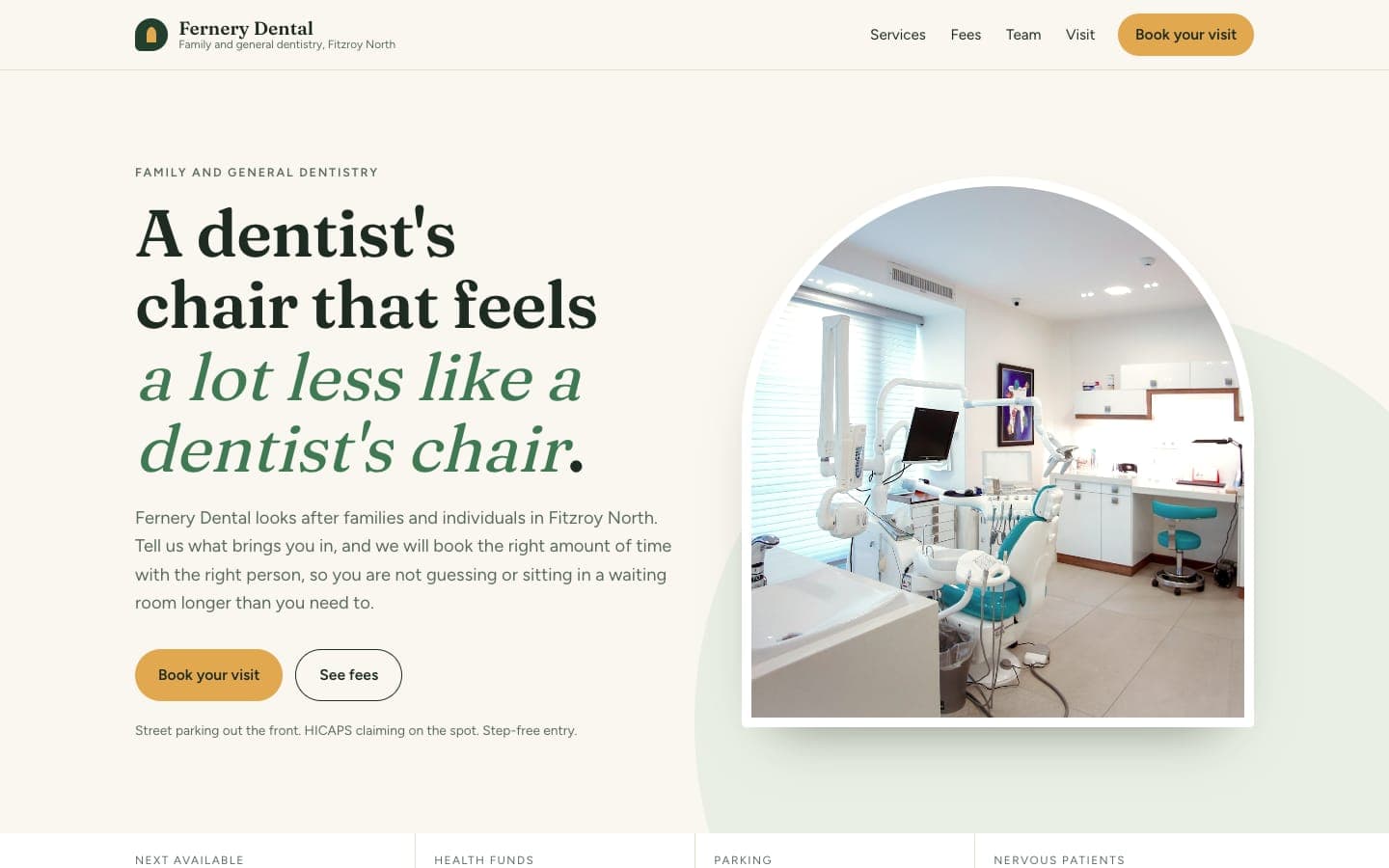
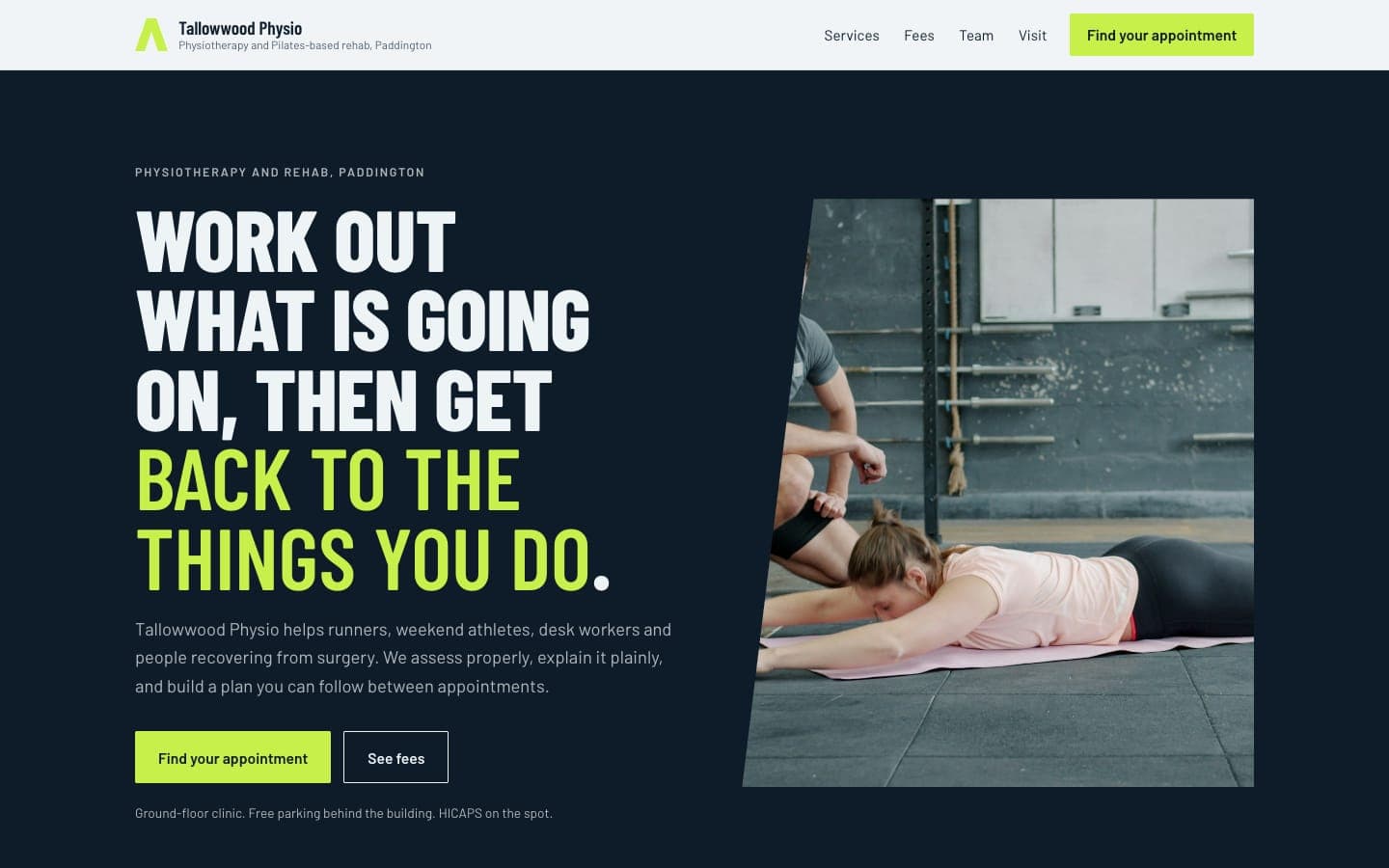
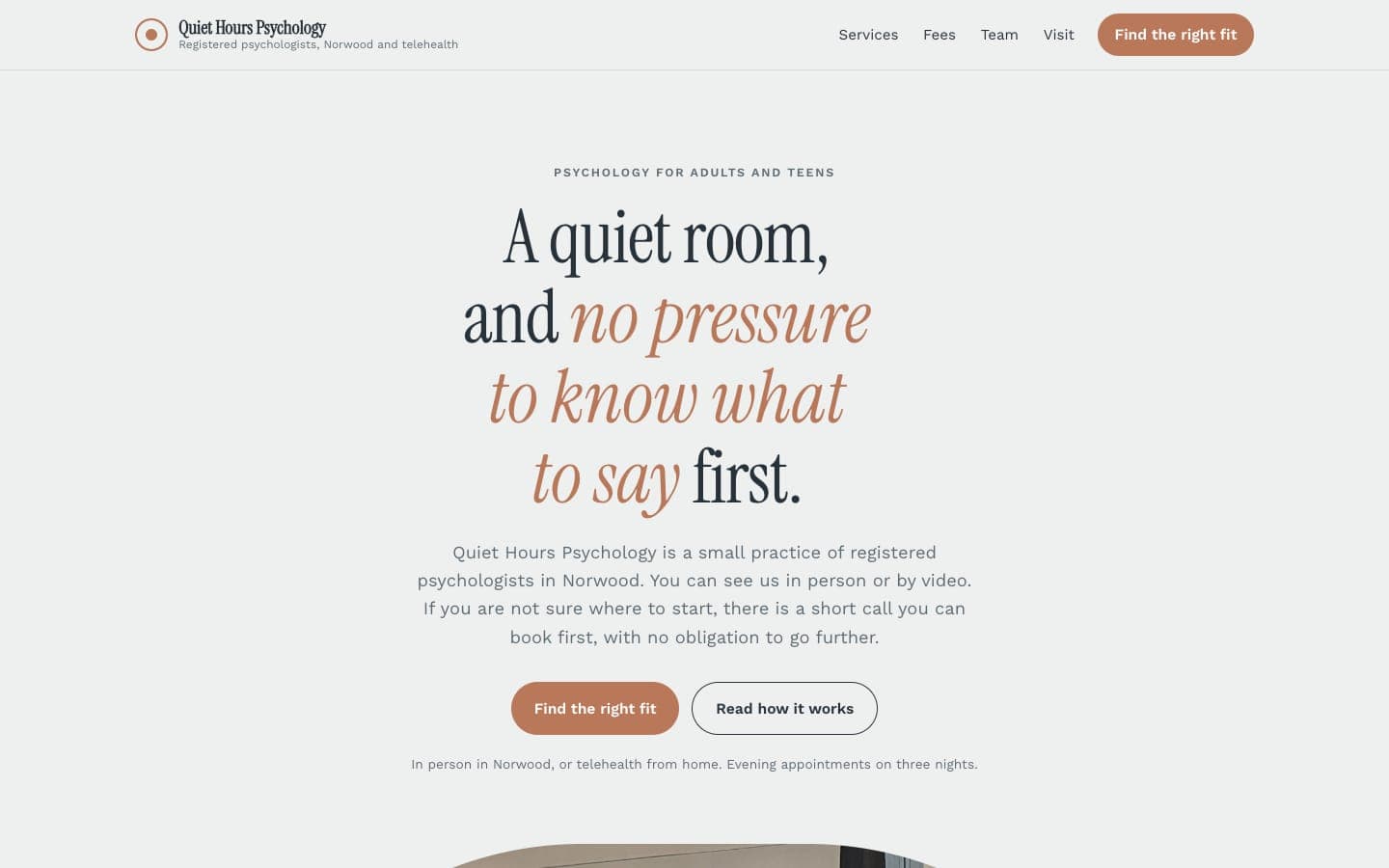
Marketing for a practice is mostly a handful of screens a patient sees on a phone, usually in a hurry. These are designed examples from our concept practices, built the way we build for real ones.

A booking page that asks the right question first

Most booking pages open with a calendar. Patients think in reasons: a check-up, something that hurts, a new family. Starting there routes them to the right appointment length and the right person, and fewer bookings need fixing by the front desk.

  • Built around your booking system, not a lookalike form
  • Fees and fund rules beside the button, before anyone commits
  • Works one-handed on a phone at eight at night

A Business Profile that does the front desk's job

For a lot of local searches, the profile is the whole first impression. Correct categories, real hours, services listed in patients' words and regular updates are unglamorous work, and they decide who gets the call.

  • Categories and services chosen from what people really search
  • Book, call and directions all pointing somewhere useful
  • Updates written to the same rules as your website

Ads written inside the rules from the first draft

Healthcare ads fail in predictable ways: claims nobody can back up, promised outcomes, borrowed praise. We write ads that sell access instead, the things a patient can check for themselves, and show you the draft we threw away and why.

  • No outcome promises, no testimonials, no superlatives
  • Any offer carries its terms in the ad itself
  • Every ad checked before it goes near your account

Reporting that ends at a booking

The test of all of this is simple: did someone book? We connect the search, the page and the booking so a monthly report can say where appointments came from, in plain words, instead of a dashboard of impressions.

The bit that makes us different

Marketing that treats AHPRA's rules as a design constraint.

Advertising a regulated health service comes with real rules: no testimonials about clinical care, no misleading claims, no unreasonable expectations of treatment outcomes, protected titles used properly. Most marketers discover this after something goes wrong. We build inside those lines from the first draft, and we publish plain-English guides so your whole team understands them too.

Copy written to the National Law

Every page we write is checked against the advertising rules before you ever see it.

Social proof without testimonials

There are compliant ways to show patients you are trusted. We design those instead of pasting reviews into your site.

Plain-English guidance for your team

Our guides explain the rules without the legal fog, so your front desk knows what is fine to post and what is not.

Read the plain-English AHPRA guide

Small, deliberately

You talk to the people doing the work.

Sound Practice is a small studio in Melbourne, on purpose. No account managers, no handovers, no junior quietly learning on your budget. The people who scope your project write the copy, build the site and answer the phone.

That caps how many practices we can take on at once, which is the point. The practices we do work with get people who actually know their file.

More about how we work

A tidy studio desk with a laptop and a single chair
A small studio: no account managers, no handovers
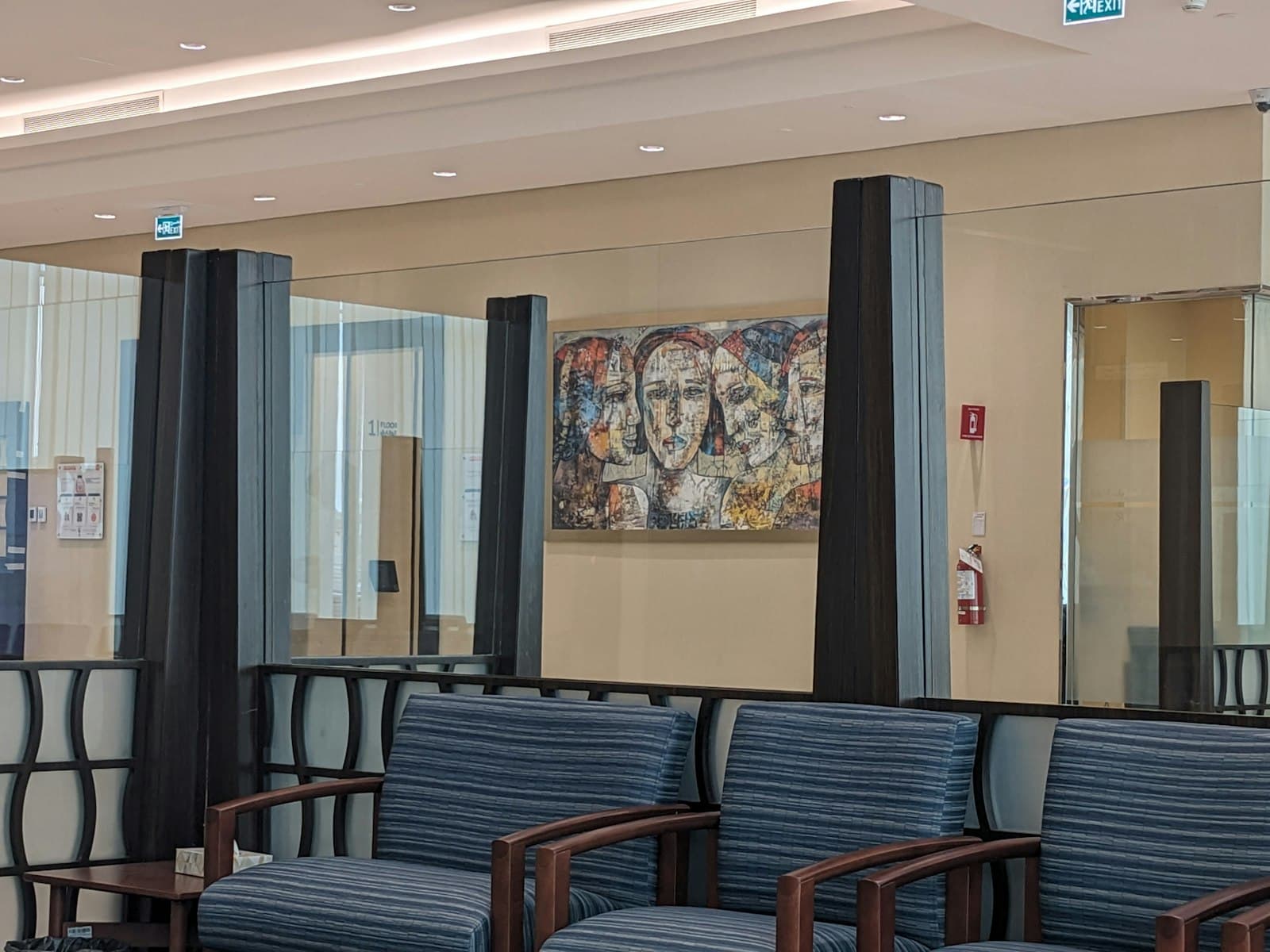
A calm, light-filled practice waiting area
The waiting room sets expectations before anyone says a word
A practitioner talking with a patient in a consulting room
Trust is built in the room; the website's job is getting people to it

No funnel, promise

How an engagement starts

No discovery-call funnel, no pressure. The first useful thing we do is free, and it is useful precisely so you can judge us on the work.

First

A free growth plan, in writing

Tell us about your practice. We review your website, your local visibility and your competition, and send back a short written plan of what we would do and why. Yours to keep, whoever you hire.

Then

A scoped, fixed-price proposal

If the plan makes sense to you, we quote the work at a fixed price with a clear timeline. No open-ended retainers for undefined activity.

Ongoing

Reporting in bookings, not impressions

Once things are live, you hear from us in plain numbers: enquiries, calls and bookings, what improved, what we changed and what it cost.

Who it’s for

Built around how your kind of practice actually works

Generic marketing treats every clinic as interchangeable. The economics of a dental chair, a physio consult and a cosmetic clinic are different businesses, and the marketing should know it.

Dentists

An implant enquiry, a new family and an emergency toothache are three different businesses. Marketing should know which one it is chasing.

How we help

Physiotherapists

An initial consultation and a completed treatment plan are two different outcomes. Marketing that only chases the first one is leaving the real value of the practice on the table.

How we help

Chiropractors

A new-patient offer fills the first chair, but the practice's real economics run on visit frequency and rebooking. Get the offer's wording wrong and it's just a discount, not a reason to trust you.

How we help

Podiatrists

Most people only think to call about a nail. The higher-value work, biomechanics assessments, orthotics and diabetes foot care, depends on patients knowing it exists at all.

How we help

Optometrists

An eye test brings someone through the door, but the frames and lenses around them are what pays the rent, and the two-year recall cycle means a marketing problem can go unnoticed for a long time before anyone sees it.

How we help

Skin and cosmetic clinics

A single consultation can start a treatment course worth many multiples of that first visit, in the strictest corner of Australian health advertising, where most clinics are already non-compliant without realising it.

How we help

Allied health

A full appointment book and a healthy business are not the same thing when half the referrals come from one GP down the road, and marketing here means being found for the exact service, not just being found.

How we help

Straight answers

Fair questions

Which practices do you work with?

Dentists, physiotherapists, chiropractors, podiatrists, optometrists, skin and cosmetic clinics, and allied health broadly, from psychology to dietetics. If your practice type is not listed on our industries page, get in touch anyway: the marketing fundamentals carry across, and we will tell you honestly if we are not the right fit.

Do you outsource any of the work?

No. Design, copy, build and campaign management are all done in the studio. The only outside people involved are ones you would expect, like a photographer for your practice shoot.

Are you compliance advisers?

We are marketers who work inside the advertising rules, not lawyers, and we say so plainly. We design and write to AHPRA's published guidance, we flag anything that needs a professional opinion, and for edge cases we will tell you to check with your indemnity insurer or lawyer rather than guess.

What does it cost?

Websites are typically in the range covered in our honest cost guide, and SEO or ads engagements are quoted flat, in writing, after the free plan. If a cheaper tier suits your stage, the plan will say so.

Do you lock clients into contracts?

No lock-in contracts. Your domain, website, analytics and ad accounts all belong to the practice from day one, and everything is documented so any competent successor could pick it up. We think that is the only honest way to sell marketing.

Find out where your practice is leaking enquiries.

The free growth plan is a genuine piece of work: we look at your website, your local visibility and what nearby practices are doing, then send you a short written plan. Yours to keep, whoever you hire.

Get a free growth planJust ask a question